

Team
We work in tight interdisciplinary teams, each focused on a single goal at a time.
We try to expand our modeling capabilities incrementally with each release: every model attempts something new while building on accumulated knowledge from previous systems. This philosophy was partly inspired by discussions around how the Apollo program expanded capabilities incrementally rather than attempting the full problem at once.
All groups operate as interdisciplinary units working toward a single focused objective. We try to minimize fragmentation of attention and maximize iteration speed. Collaborations allow us to collectively explore a much broader range of ideas and research directions than any single team could pursue alone. We are therefore excited to support ambitious computational biology “moonshots” from the community, especially when aligned with our current Open Problems.
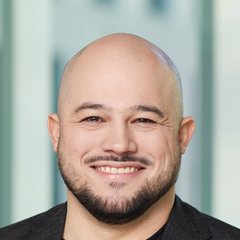 Kristof Szalay, CTO
Groups
Antibody-Drug Conjugates and In Vivo Biology Group
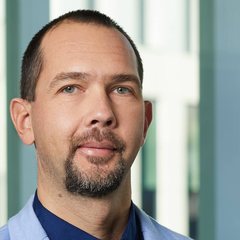 Imre Gaspar
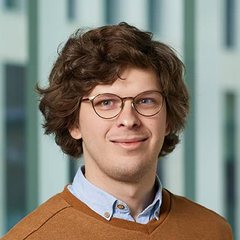 Valér Kaszas
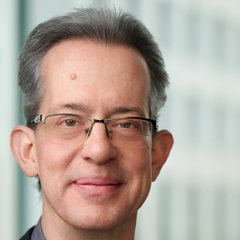 Balint Pfliegel
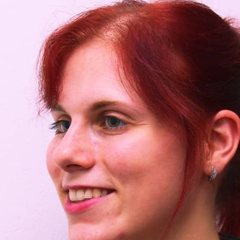 Lucie Studena
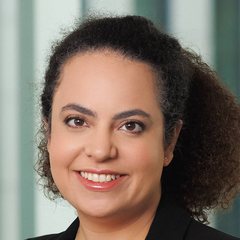 Dana Zemel
 Murat Cem Kose
In vivo data is as scarce as it is expensive to generate. The ADC and In Vivo Biology Group is responsible for our ADC product line and focuses their research work on the transfer learning problem of using in vitro perturbation data (CRISPR, small molecule, etc., mainly from HT screens) to build in vivo predictive ML/AI models. Our approach is to harmonize different biosample domains through decomposition and in-model resynthesis that allows the model to learn from sample similarities while still being capable of distinguishing between the in vivo and in vitro domains.
Target Discovery and Single-Cell Biology Group
 Bence Szalai
 Laszlo Mero
 Bence Czako
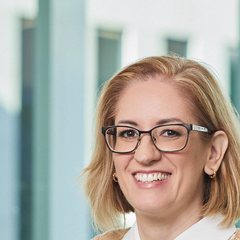 Gema Sanz
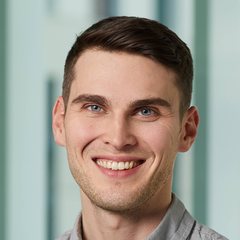 Gerold Csendes
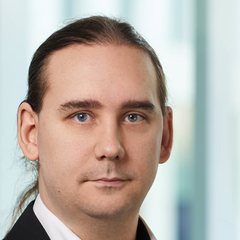 Csaba Gor
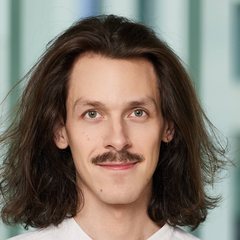 Milan Sztilkovics
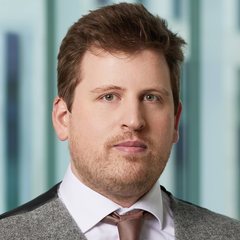 Zsolt Gyure
The Target Discovery and Single-Cell Biology Group is responsible for our Target Discovery and Derisking product line. We specialize in applying virtual assay capabilities to new therapeutic areas beyond oncology, with a particular focus on the immune system.
Our work is grounded in the idea that (perturbation) RNA-seq - bulk, single-cell, and spatial - provides a robust, scalable representation of cellular state, even outside traditional oncology settings. This approach is reflected in our participation in the Virtual Cell Challenge each year.
Model Platform Group
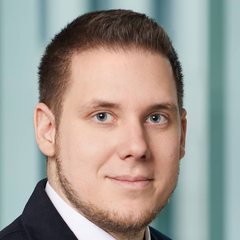 Robert Sipos
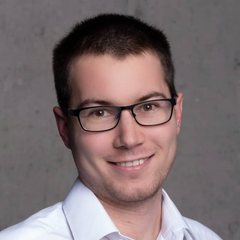 Kristof Galambos
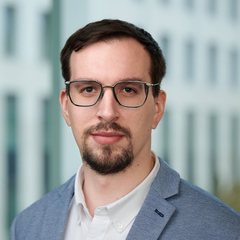 Alex Sliz-Nagy
 Peter Frendl
The Model Platform group makes sure our training and evaluation workflows stay consistent and reproducible. We build the training and benchmarking systems and processes other teams and platform users can rely on. We focus on making benchmarks that are understandable to end-users.
Ecosystem
Our best work is only possible within the broader ecosystem of Turbine.
We'd like to acknowledge the work of related Turbine teams without whom our work would not be possible:
- Lab for generating valuable data that cannot be found anywhere else
- Engineering for providing us with the data and compute infrastructure
- Product and partnership teams for keeping our work grounded in real-life applications
- Marketing for helping us communicate our ideas
- and support teams for helping us keep the teams healthy.
Thank you for providing the psychological and institutional safety that allows us to move quickly and speak honestly about our limitations and failures.